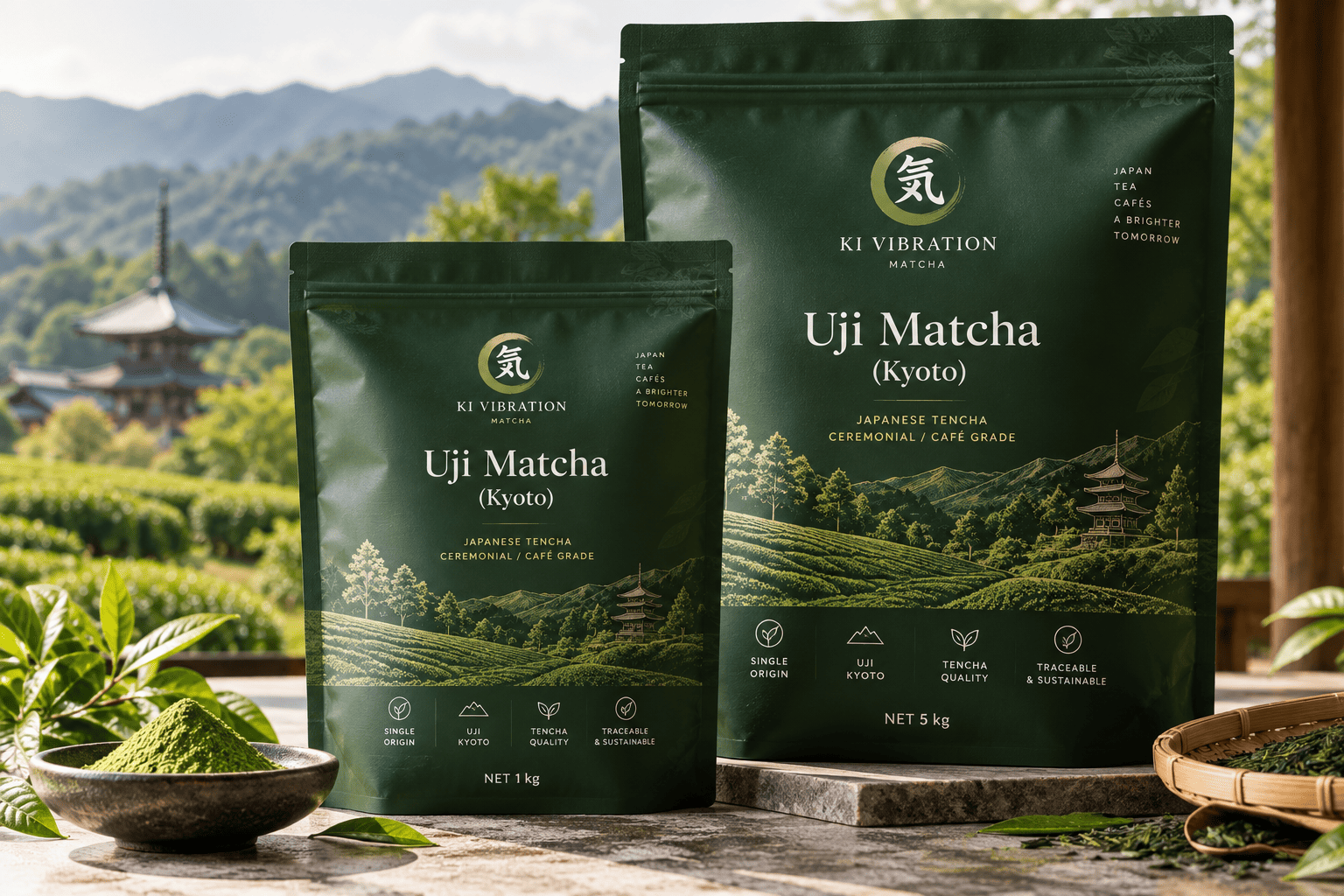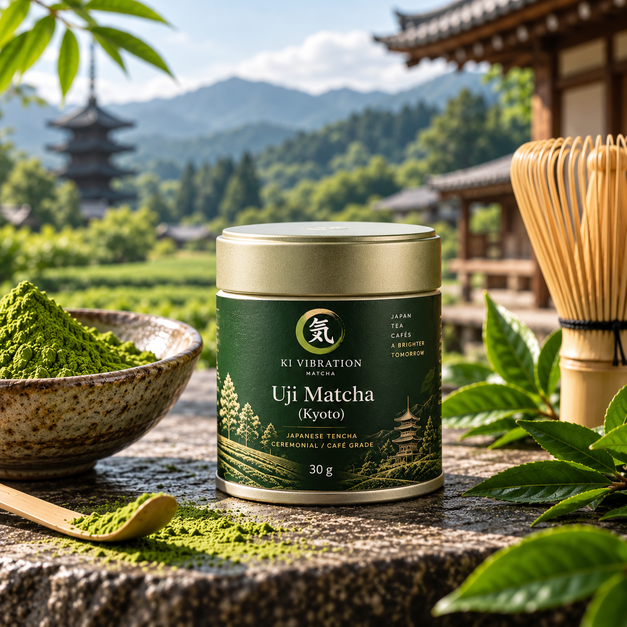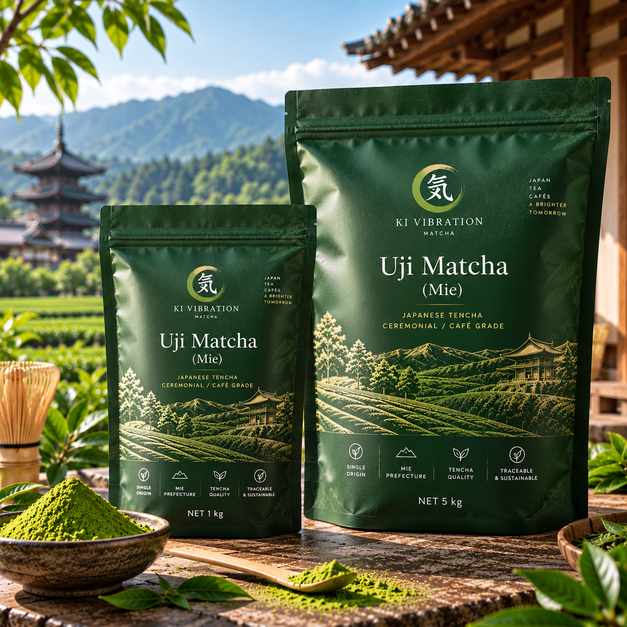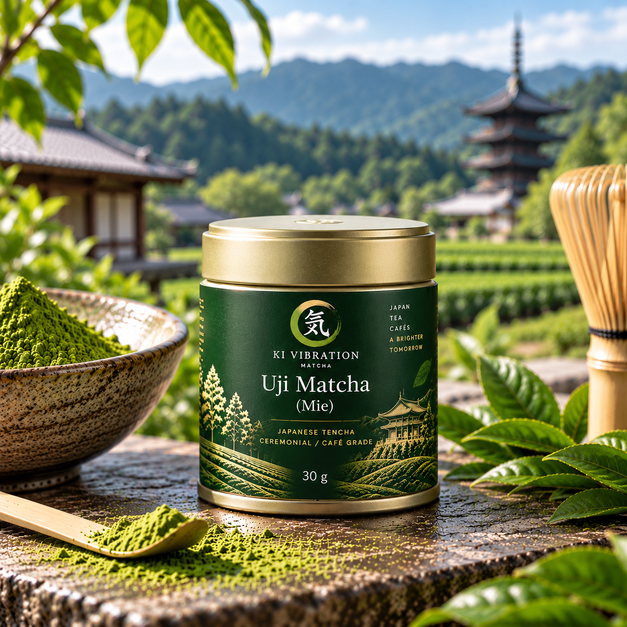
Uji Matcha
Top grade · Pure expression
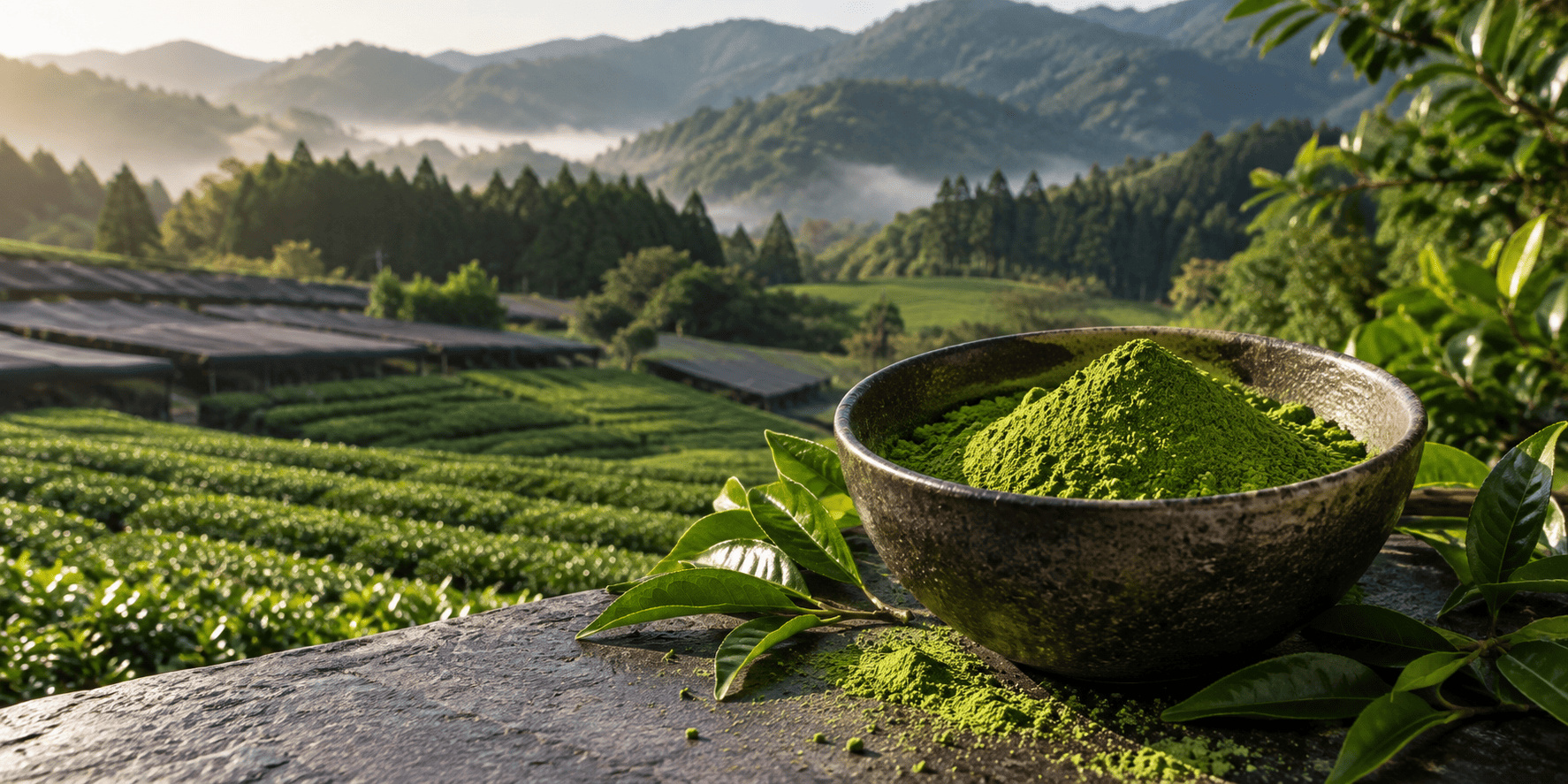
For those who truly appreciate matcha in its purest expression, our top-grade Uji matcha is selected for refined aroma, depth of flavour and the traditional matcha experience.
Matcha, butterfly pea, and Japanese tea selected for their origins and the possibilities they bring to café menus.
The Ki Collection
Top grade · Pure expression
For those who truly appreciate matcha in its purest expression, our top-grade Uji matcha is selected for refined aroma, depth of flavour and the traditional matcha experience.
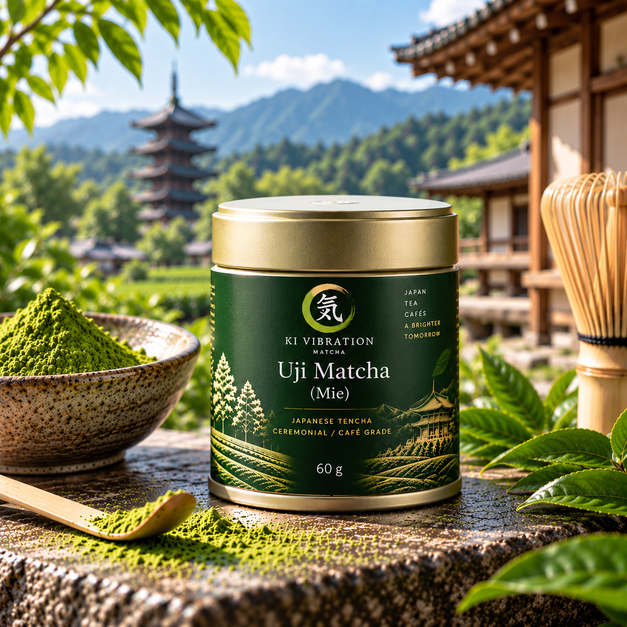
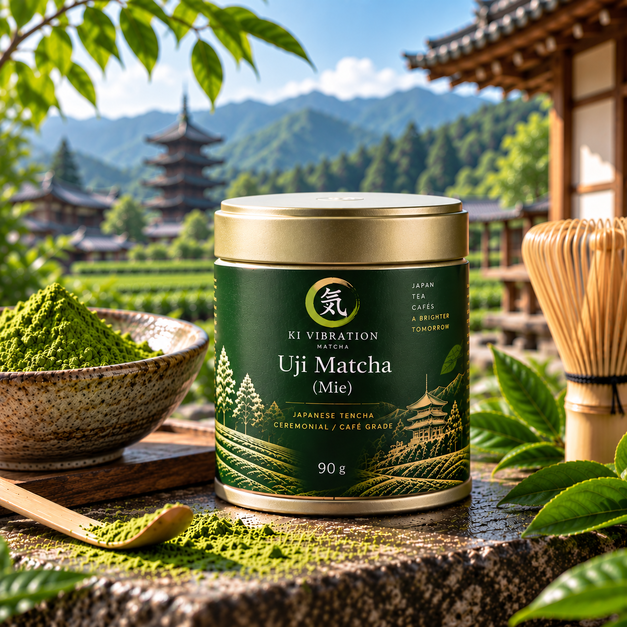
Uji tea region · Mie
A separate Uji tea-region product, listed with its Mie prefecture origin.
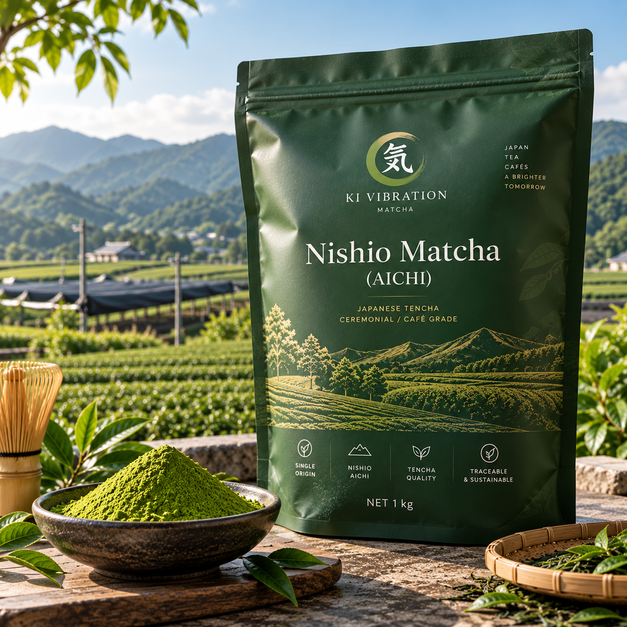
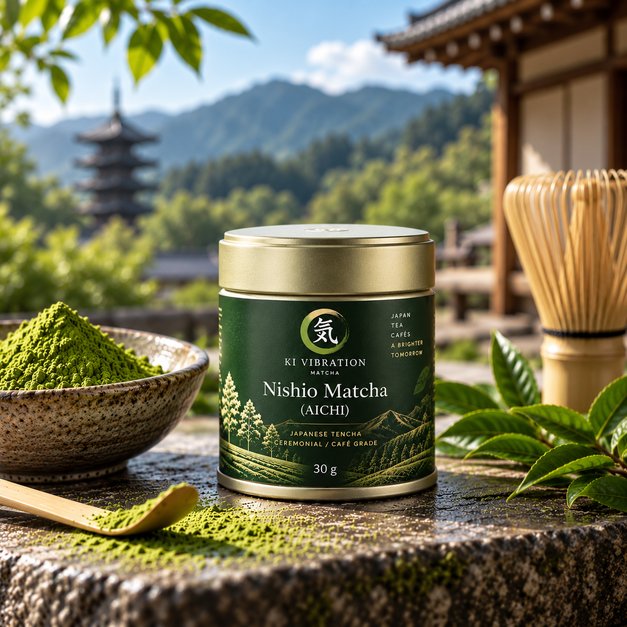
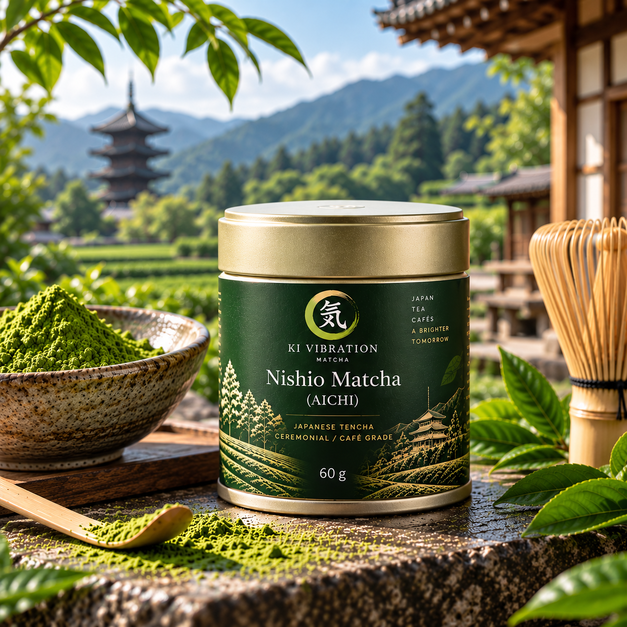
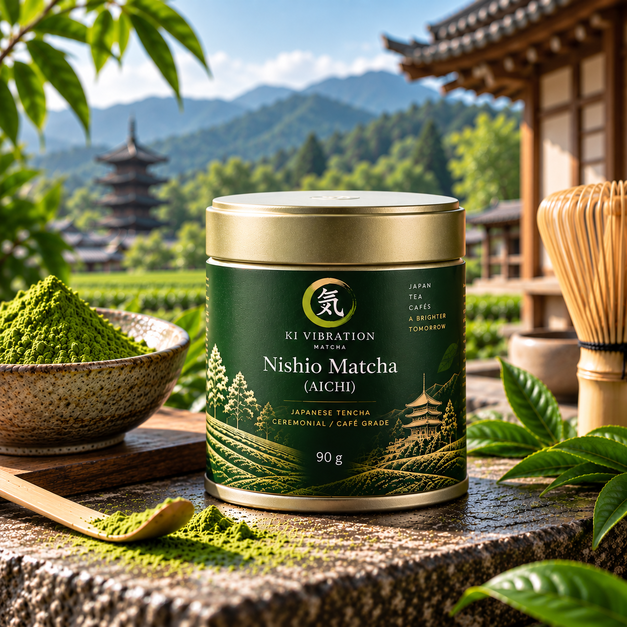
Nishio / Mikawa tea region
Matcha from the Nishio / Mikawa tea region in Aichi prefecture.
History · Depth · Place
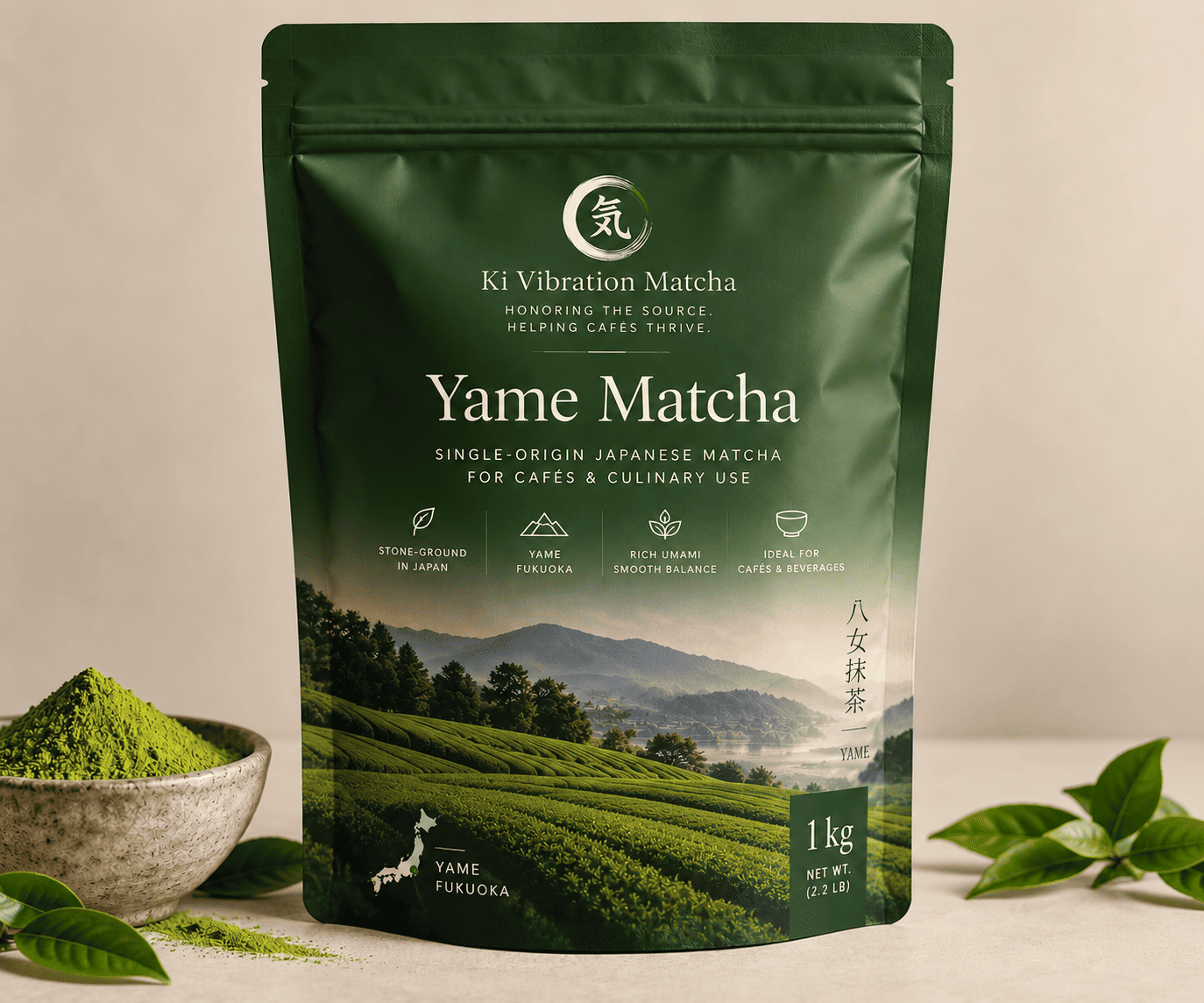
From deep in the Oku-Yame mountains, this matcha is rooted in the history of the region and shaped by the farmers who cultivate it.
Progressive farming
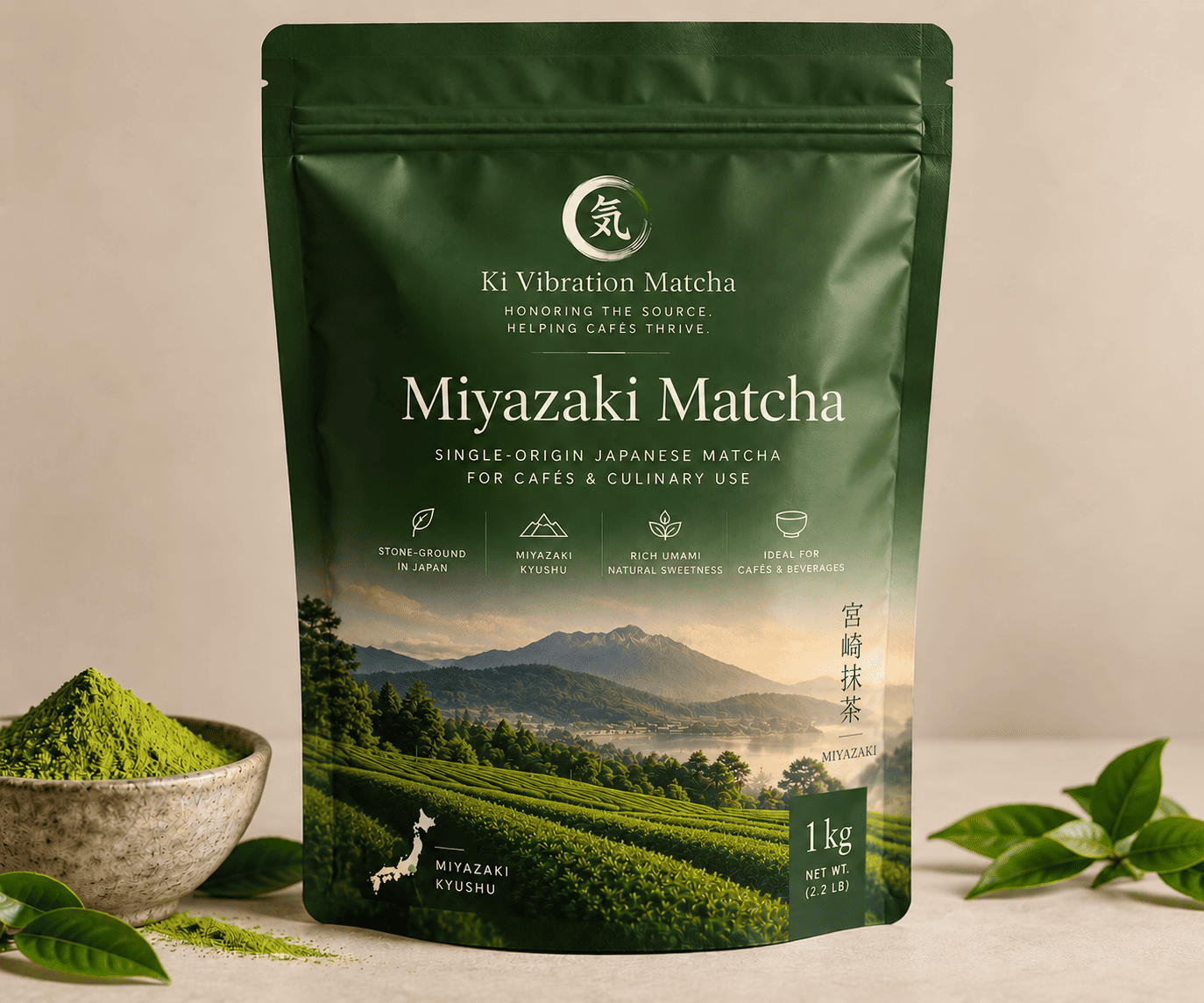
A matcha from the Kawaminami / Miyazaki tea region for those who value a more progressive approach to farming while retaining the character of Japanese matcha.
Made for the latte
A vibrant, latte-focused matcha with a strong green colour that cuts through milk.
Vibrant green · Café-focused · Scalable sourcing
Premium lattes · Café programs · High-volume applications
Wholesale + Retail
Beyond Matcha
Matcha is only one part of the Japanese tea world. We also source unique ingredients that bring different textures, aromas and possibilities to café and culinary menus.
Butterfly pea flowers
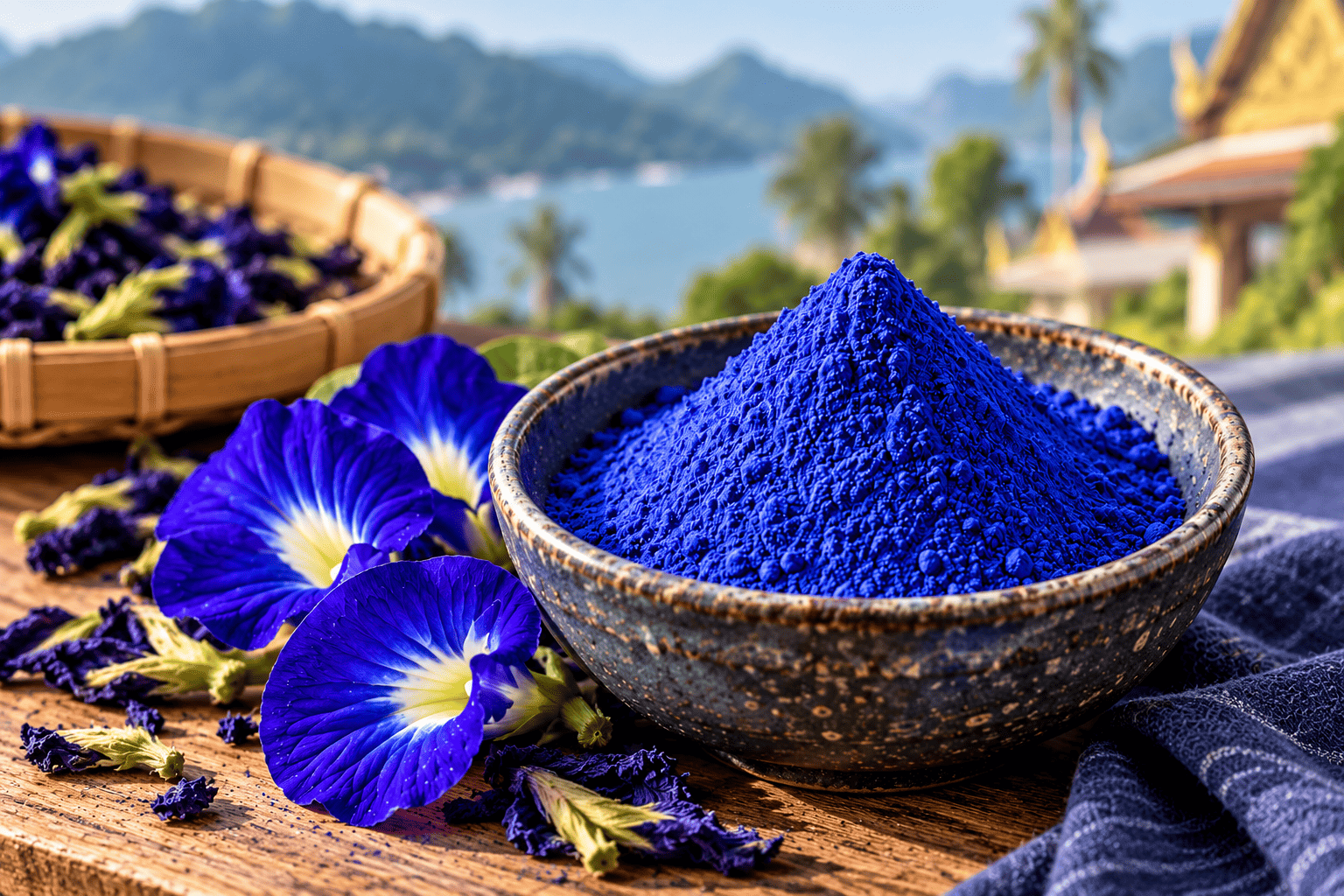
Butterfly pea flowers sourced from Thailand, selected for natural blue colour and floral clarity.
Japanese green tea
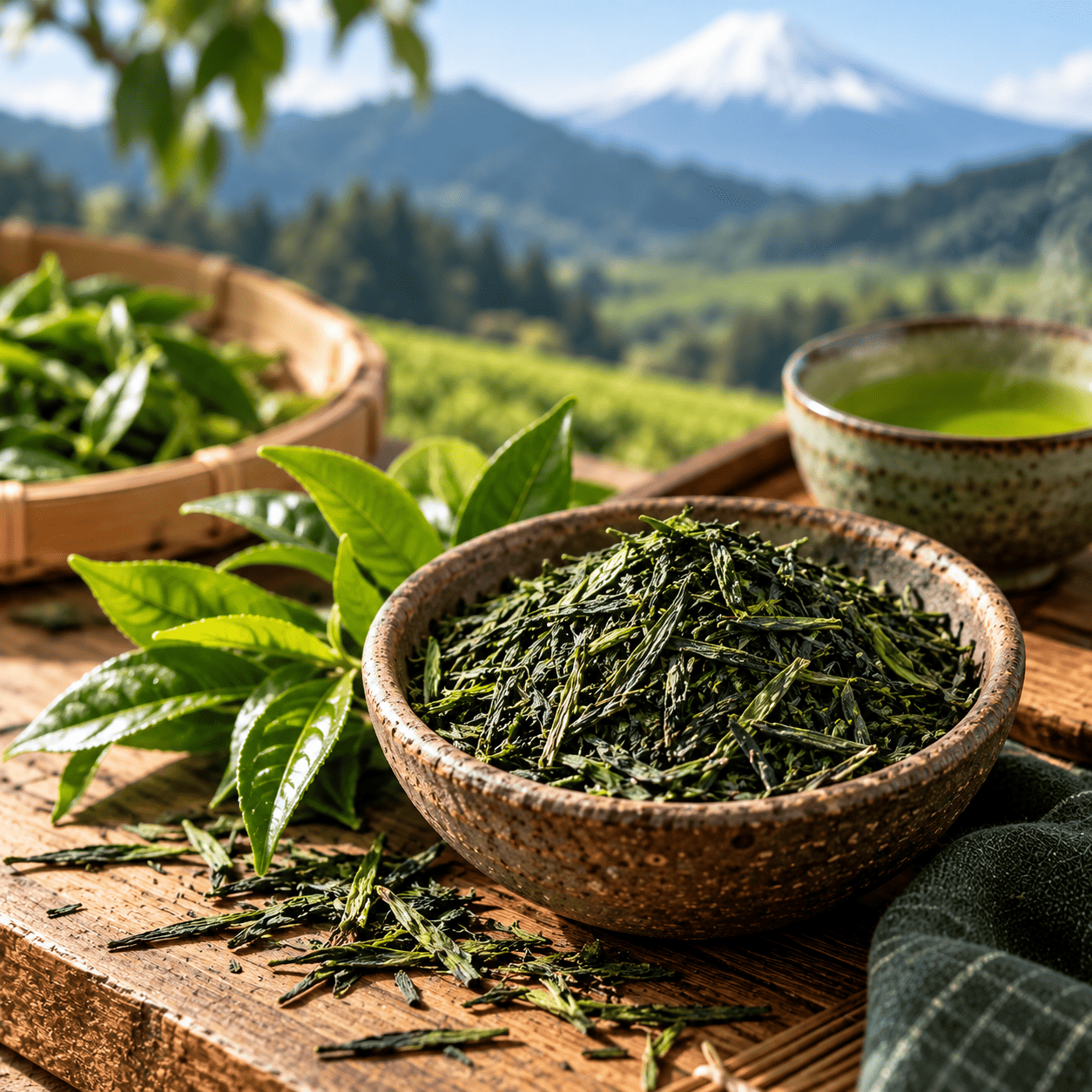
A premium loose-leaf green tea from Kagoshima, with a bright, fresh profile and a clean botanical finish.
Shaded Japanese tea · Loose leaf
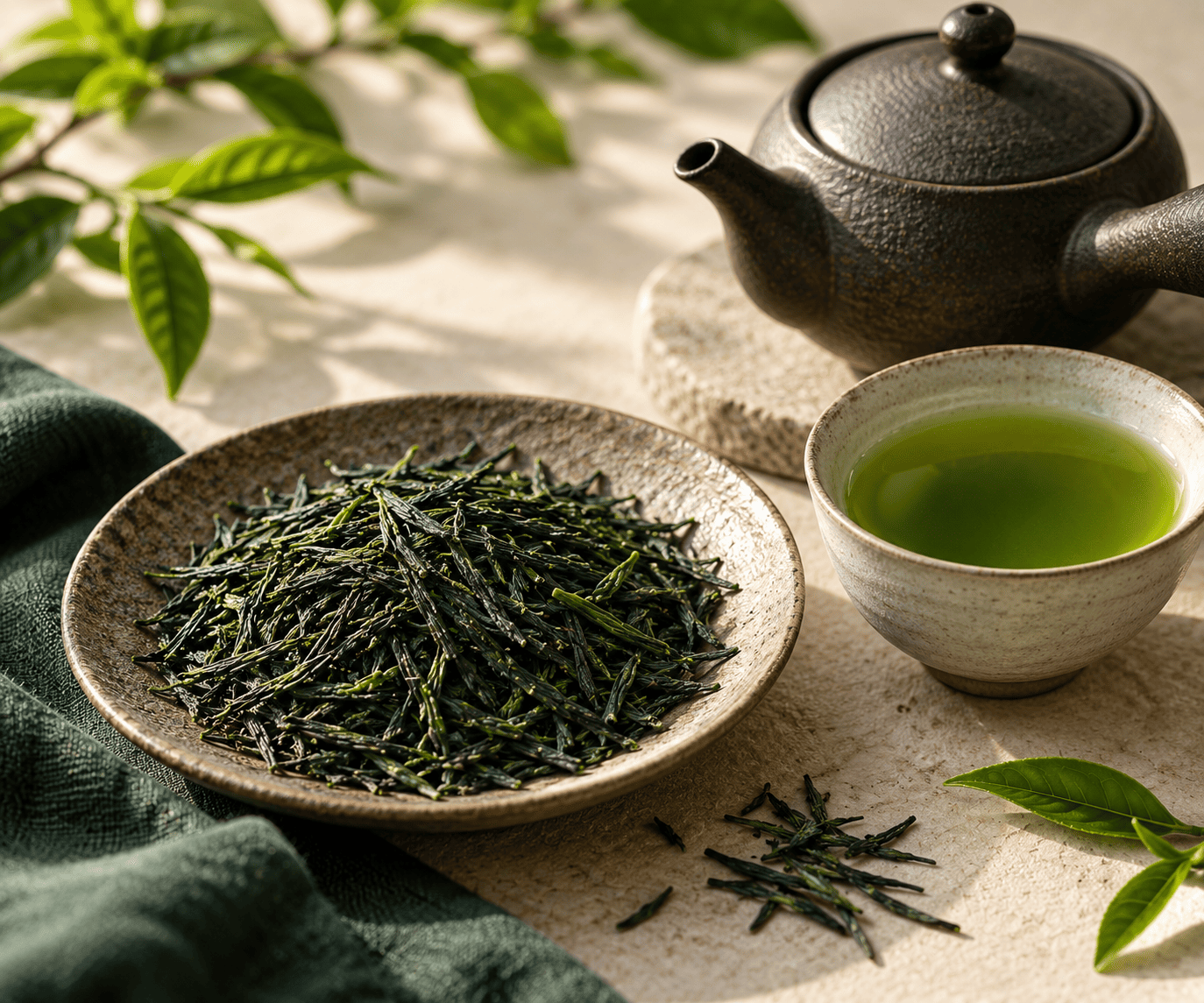
Shade-grown in Oku-Yame for deep umami, rich aroma, and a smooth, refined finish.
Roasted Japanese tea
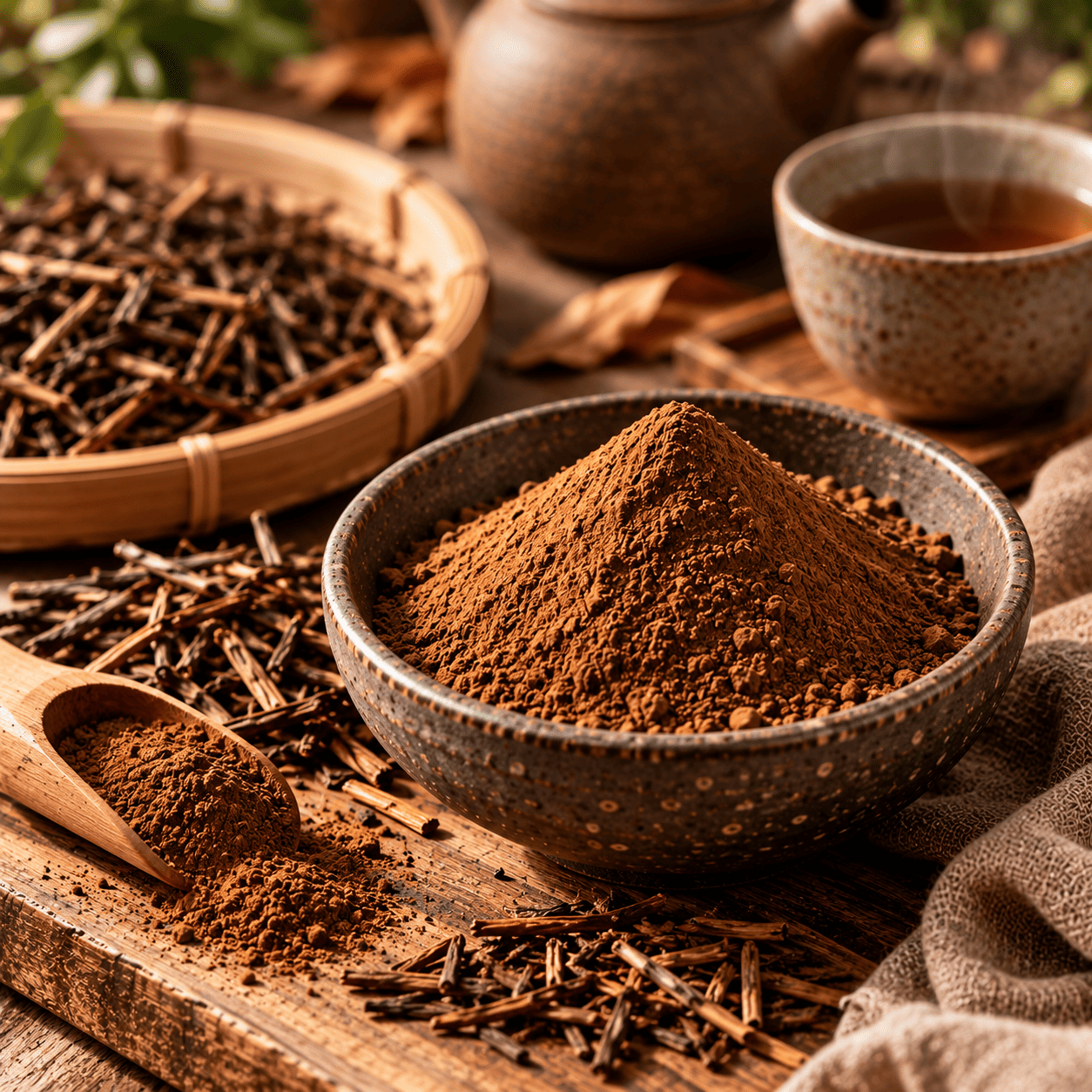
A premium roasted tea powder with toasted grain, caramel warmth and gentle smokiness.
Accessories
Tea ware accessory
Hand-finished bamboo detailing designed to elevate the ritual, bring warmth to the tea counter, and pair beautifully with whisking and serving moments.
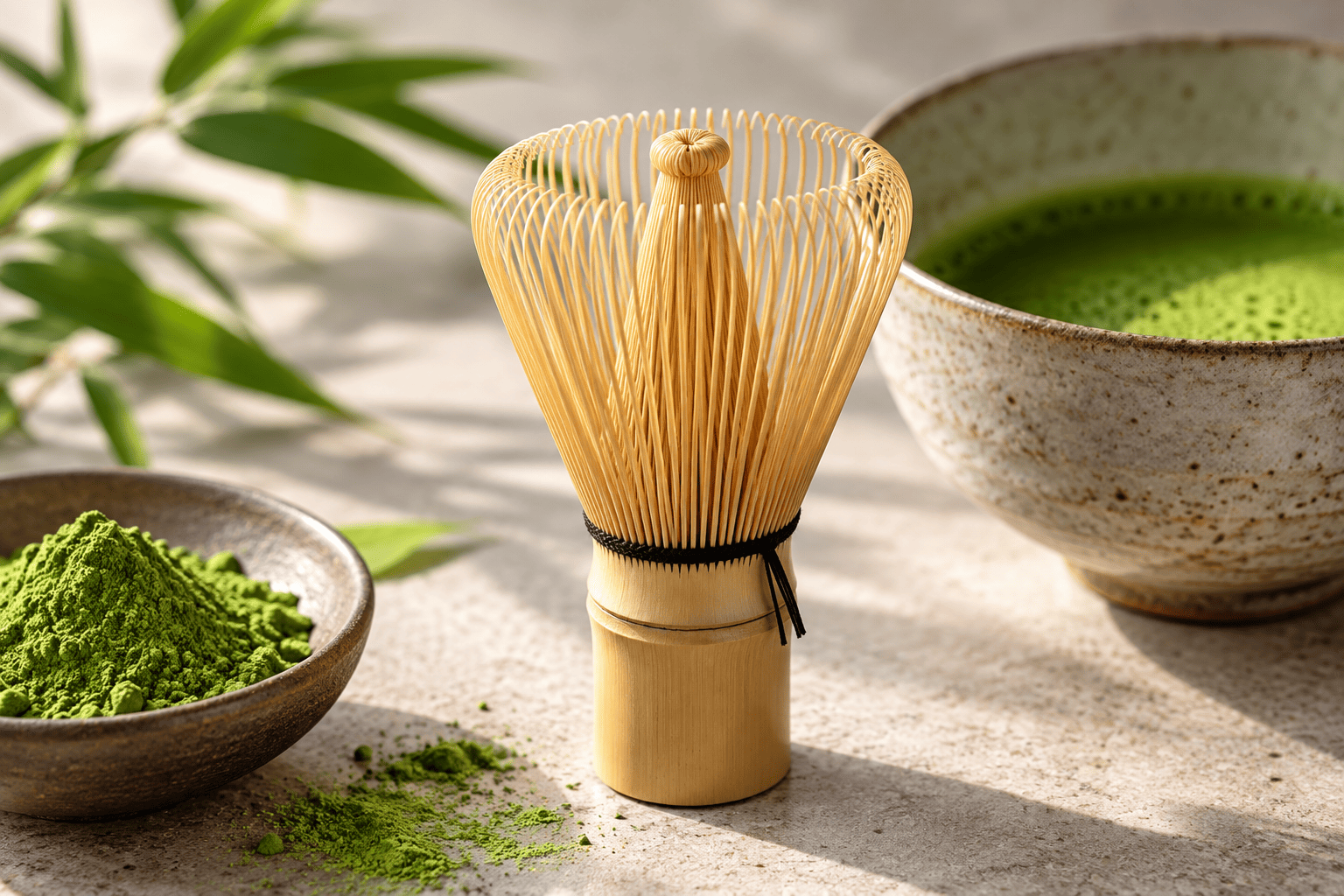
Traditional tea tool
A hand-crafted bamboo whisk for preparing smooth, well-aerated matcha with a fine layer of foam.
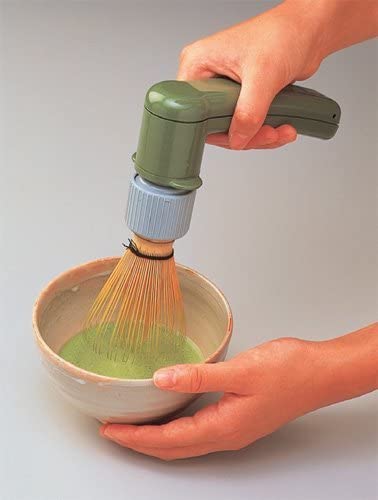
High-speed whisk
A practical, high-output whisking tool for fast-paced service, helping teams prepare smooth matcha and tea beverages with speed and consistency.
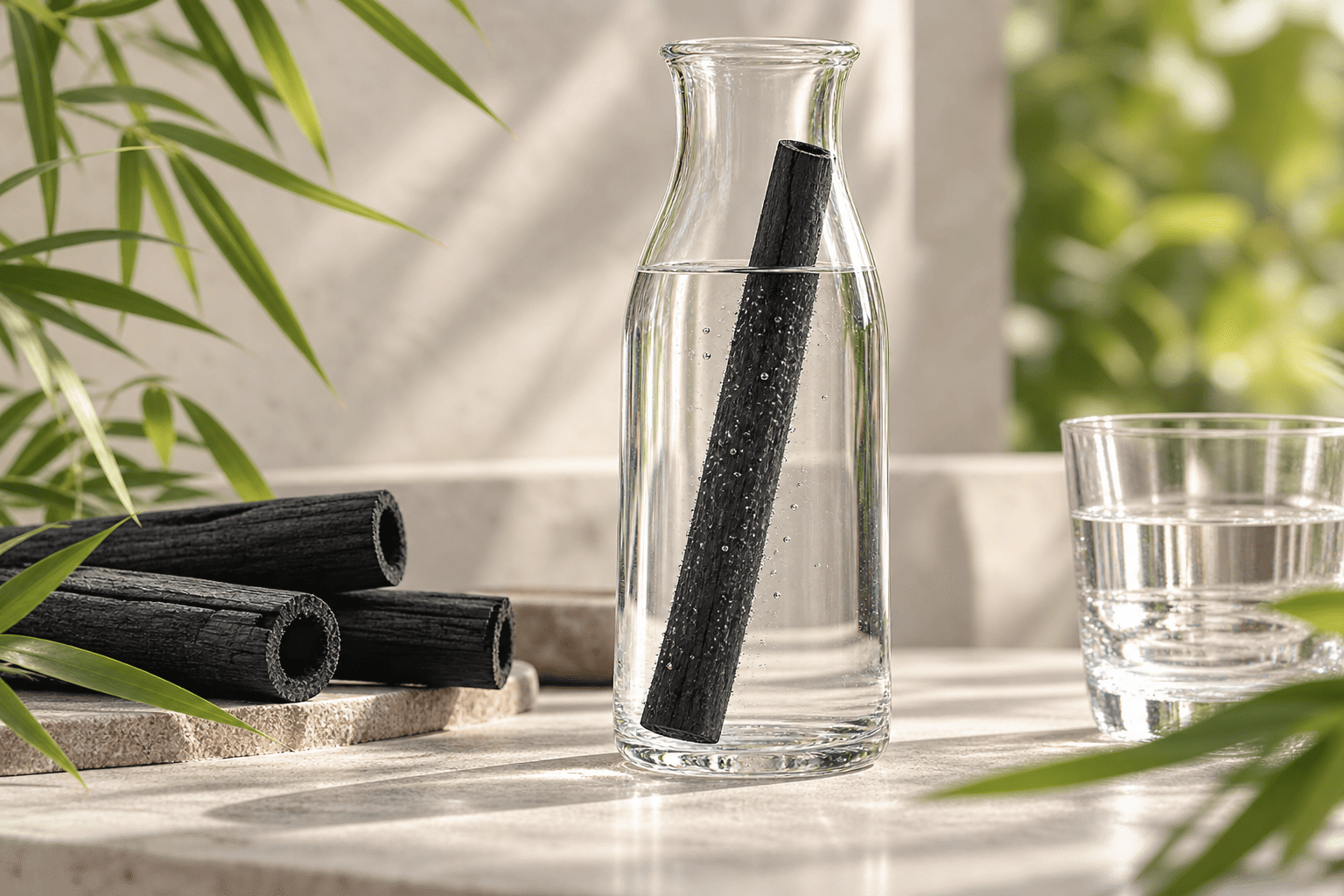
Tea brewing bottle
A clean, portable brewing bottle designed for cold tea and iced infusions, perfect for daily refreshment and café-ready tea experiences.
A concentrated preparation using significantly more matcha and less water, slowly kneaded rather than vigorously whisked. Its rich texture and intensity generally call for exceptionally smooth, high-quality matcha with minimal harshness.
A lighter preparation of matcha whisked with water until smooth and typically frothy, allowing the tea's aroma, umami, sweetness, bitterness, and finish to be experienced clearly.
Matcha is made from tea leaves that are cultivated and processed specifically to be consumed as a fine powder. Unlike loose-leaf teas such as Sencha, the prepared matcha itself becomes part of the drink.
Why it matters: the cultivation and processing approach directly influence the ingredient's colour, aroma, flavour and performance.
Because origin matters.
Uji, Miyazaki, Yame and Kagoshima each have different growing environments, farming traditions and regional identities. Rather than treating Japanese matcha as one uniform ingredient, we want to highlight the differences between places.
Different lands. Different expressions.
Our Kagoshima matcha is selected specifically for café applications where the matcha needs to maintain its presence when combined with milk.
Its vibrant green character makes it particularly suited to premium lattes and higher-volume café programs.
Not necessarily.
The best ingredient depends on what you are trying to create.
For a traditional Usucha or ceremonial experience, you may want to prioritize qualities such as aroma, texture and nuanced flavour.
For a latte, you may prioritize how the matcha performs alongside milk.
The goal isn't to find one 'best' matcha. It's to find the right matcha for the application.
These names describe different forms of Japanese green tea.
Matcha is finely ground tea powder intended to be consumed as part of the beverage.
Tencha refers to tea leaves prepared specifically for matcha production before they are ground.
Sencha is a loose-leaf Japanese green tea, offering an entirely different brewing and drinking experience.
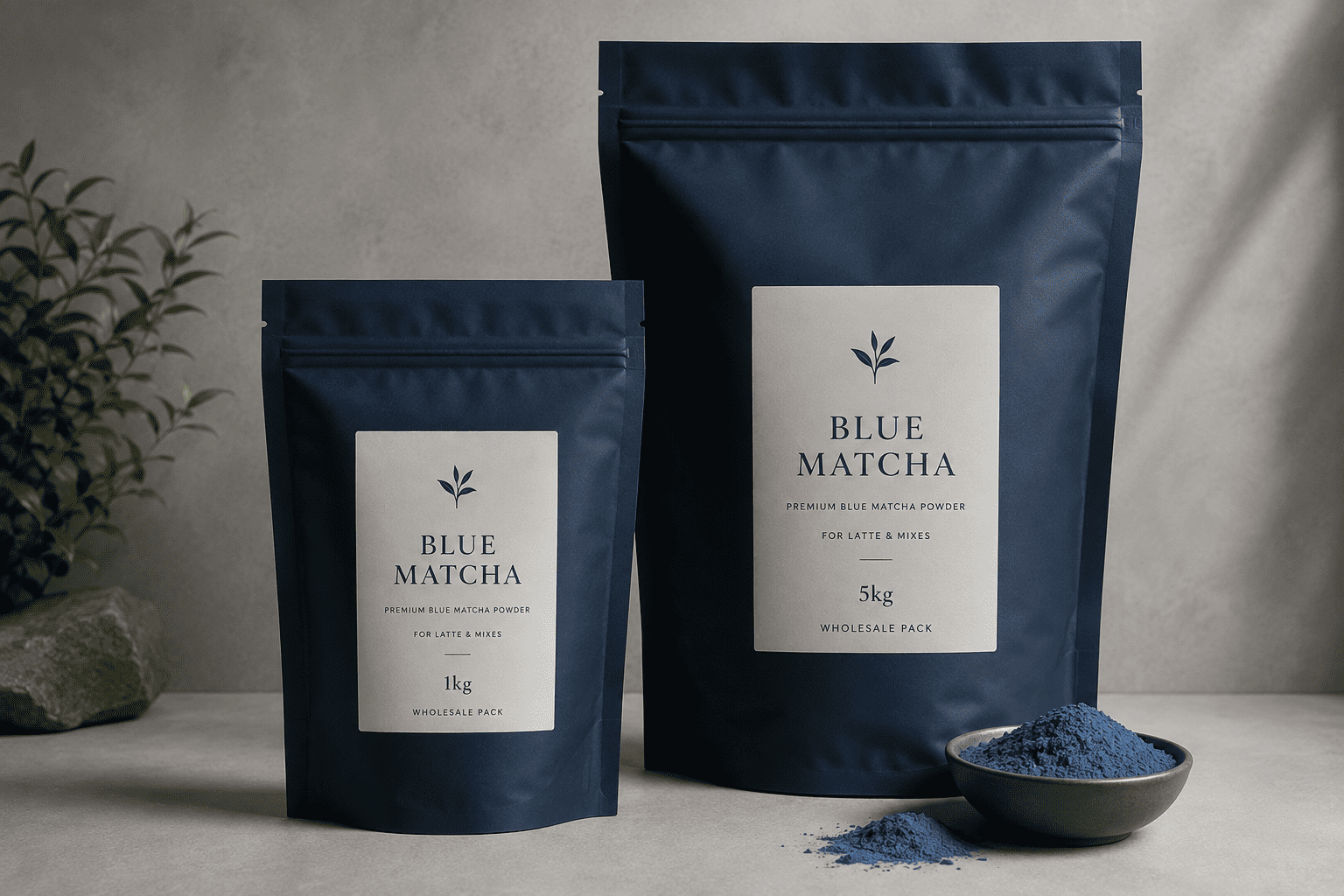
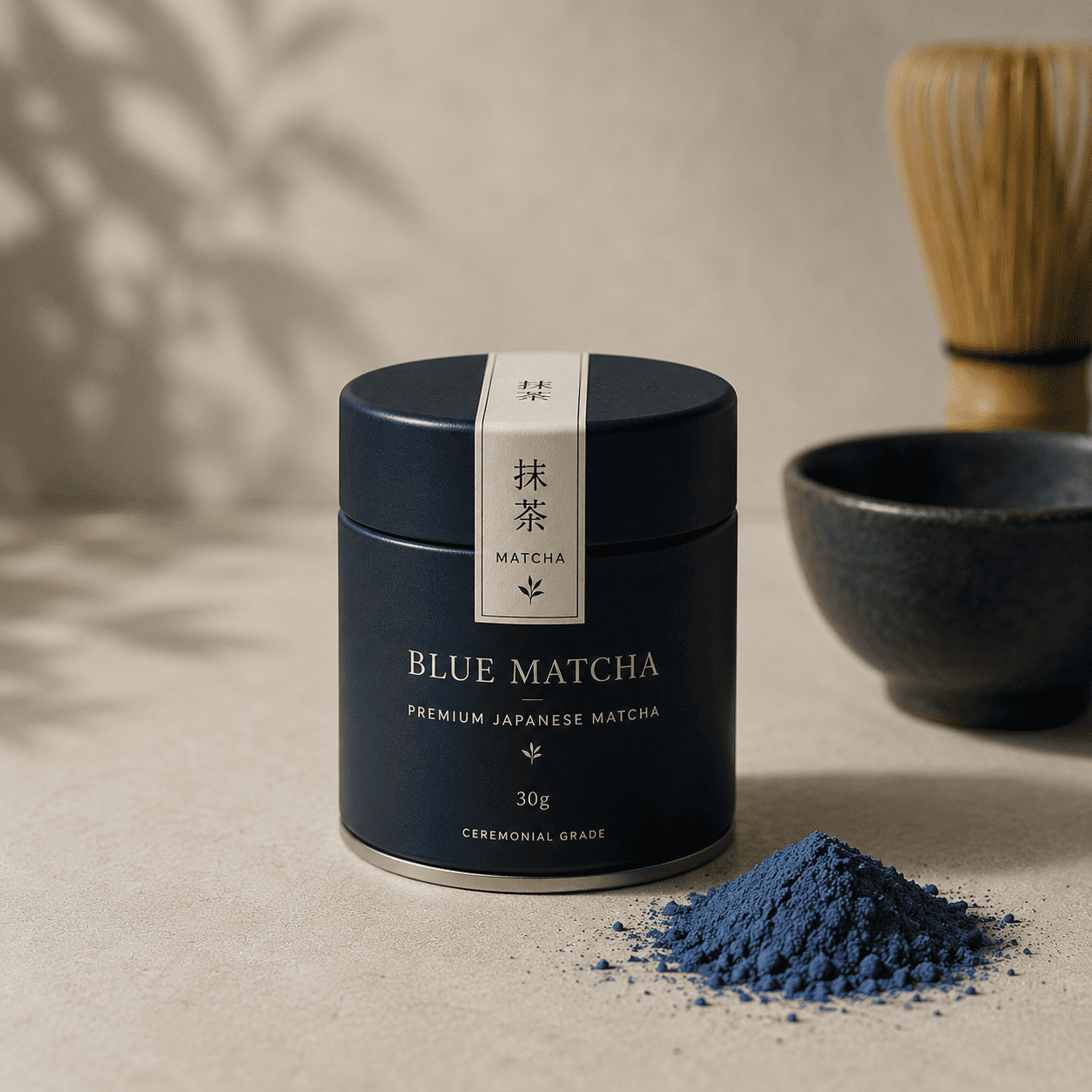
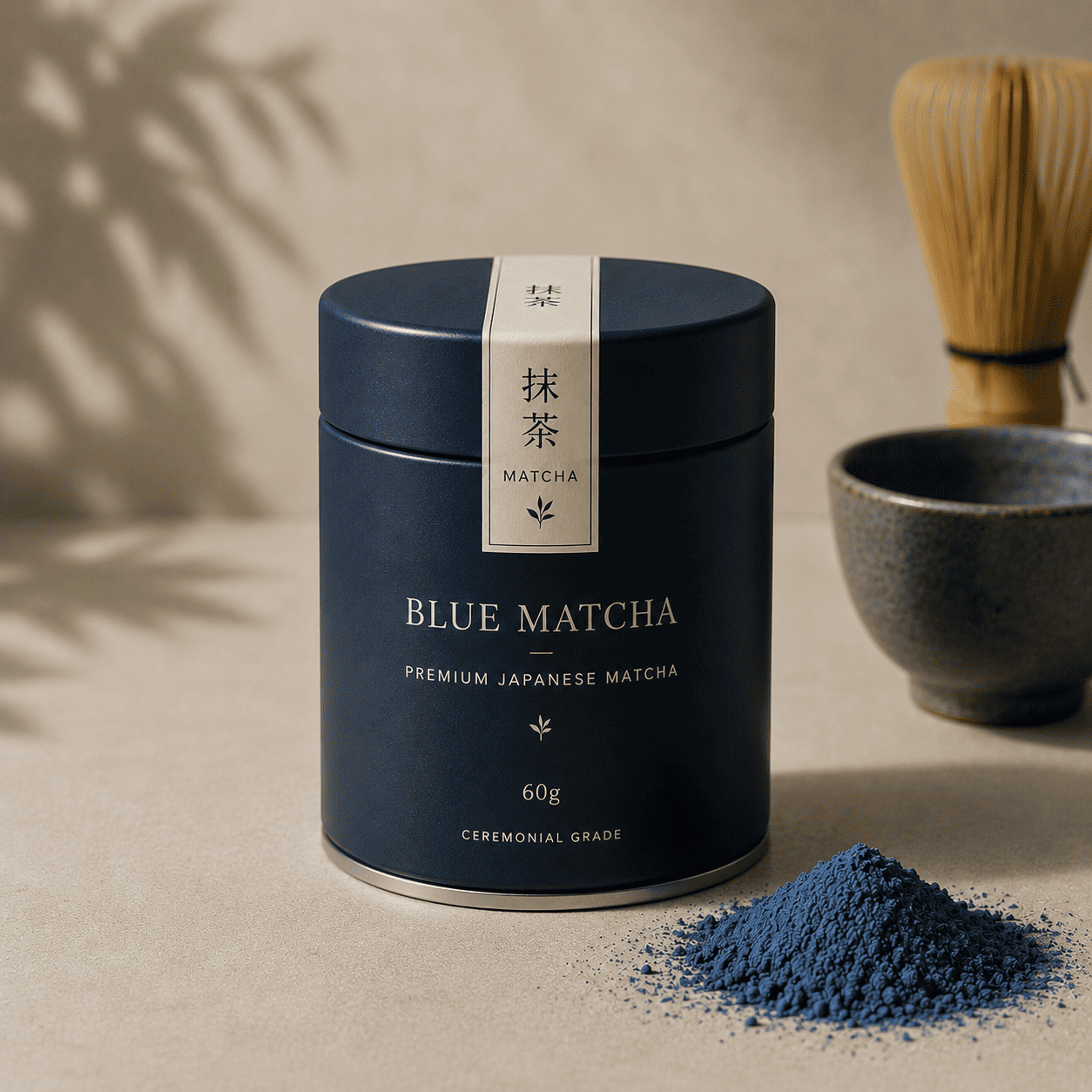
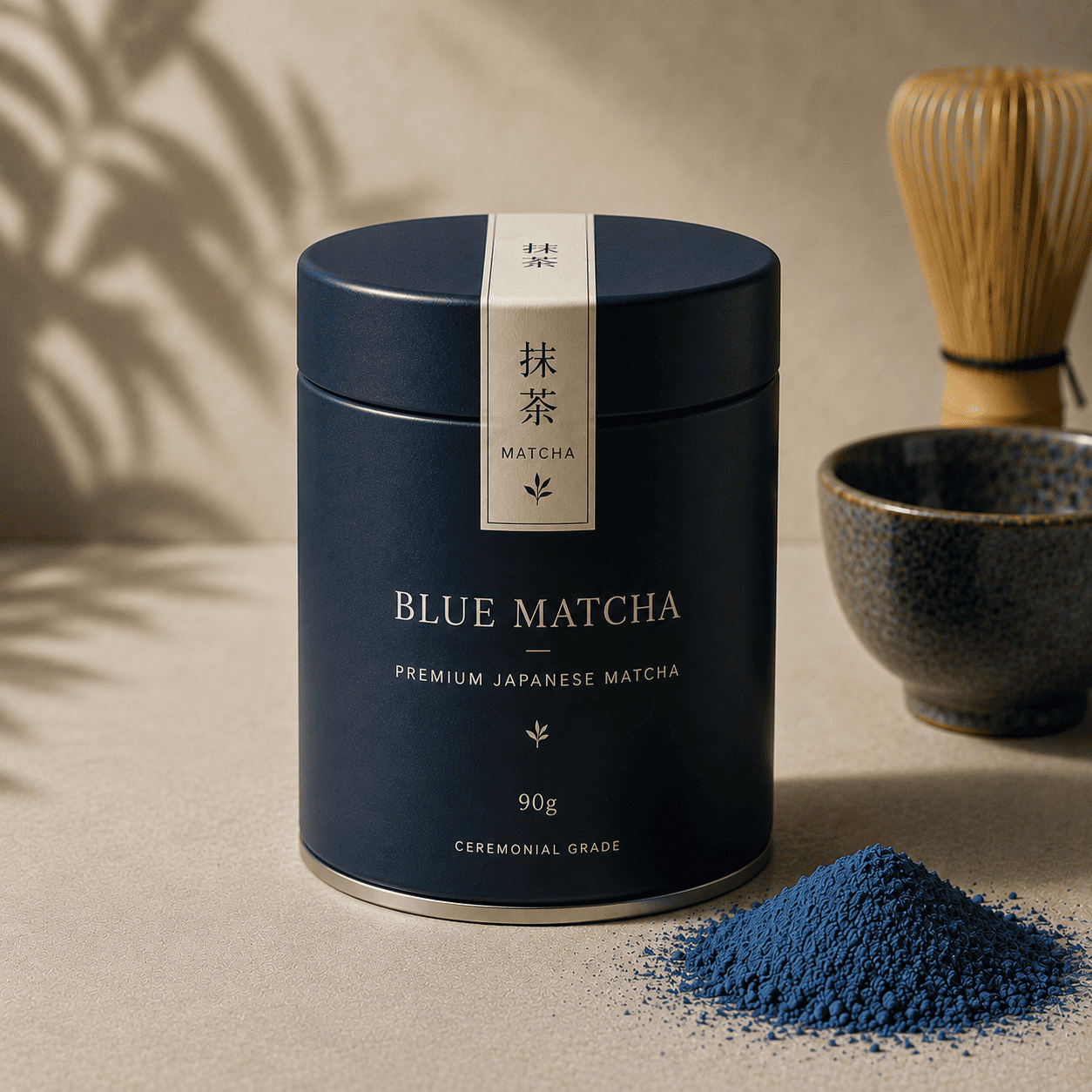
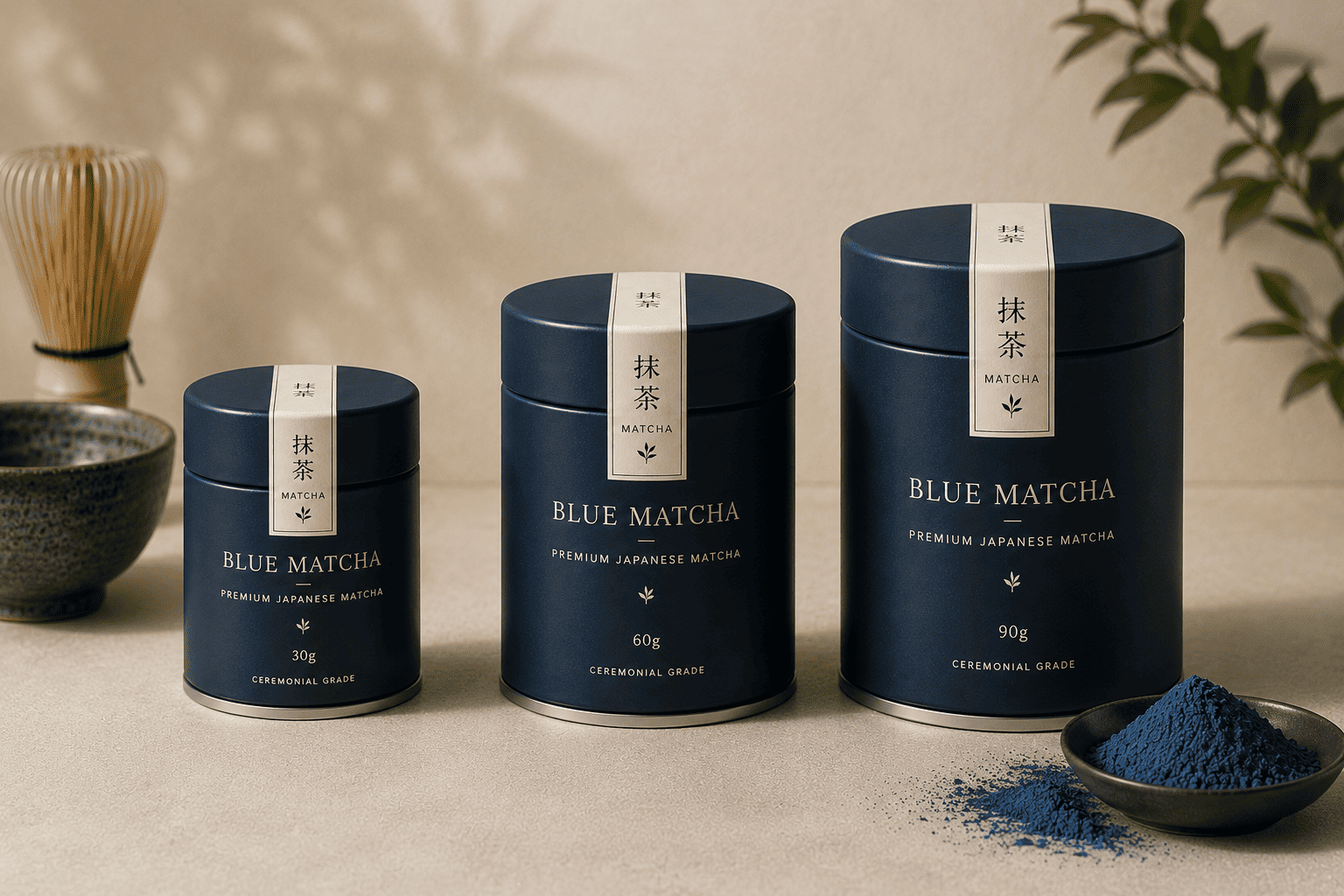
Our Blue Matcha is made from butterfly pea flowers sourced from Thailand.
It is not Japanese matcha. The name refers to its use as a blue powdered ingredient rather than traditional green tea matcha.
Its vivid natural colour makes it particularly interesting for specialty drinks, lattes and creative menu applications.
Hōjicha is a Japanese roasted tea known for its warm, toasted character.
Our Hōjicha Powder is sourced from Yame and Aichi and offers notes reminiscent of:
toasted grain · roasted nuts · caramel · gentle smokiness
It can be used in lattes, desserts and other specialty applications.
Start with the menu, not the ingredient.
Ask:
What are we making?
How will it be served?
What flavour profile are we looking for?
How does the ingredient need to perform?
What volume do we need to support?
From there, origin and product selection become much clearer.
START WITH THE APPLICATION. THEN CHOOSE THE INGREDIENT.
Because sourcing is more than finding an ingredient that works.
We want to understand where it comes from, who produces it, how it is cultivated and how it ultimately serves the people using it.
That is why we spend time learning from producers and visiting the places behind the ingredients we source.
HONORING THE SOURCE.
HELPING CAFES THRIVE.
No.
Some are suited to traditional tea experiences. Others are designed with café applications and scalability in mind. Some are better suited to specialty drinks or culinary applications.
We don't believe one ingredient should fit every menu.
We curate different origins and ingredients so cafés, restaurants and retailers can choose according to their own concept, customers and needs.
Not sure where to start?
Whether you're developing a matcha menu, expanding a café program, or looking for a reliable wholesale ingredient, tell us what you're trying to create. We'll help you explore the ingredients that make sense for your application.
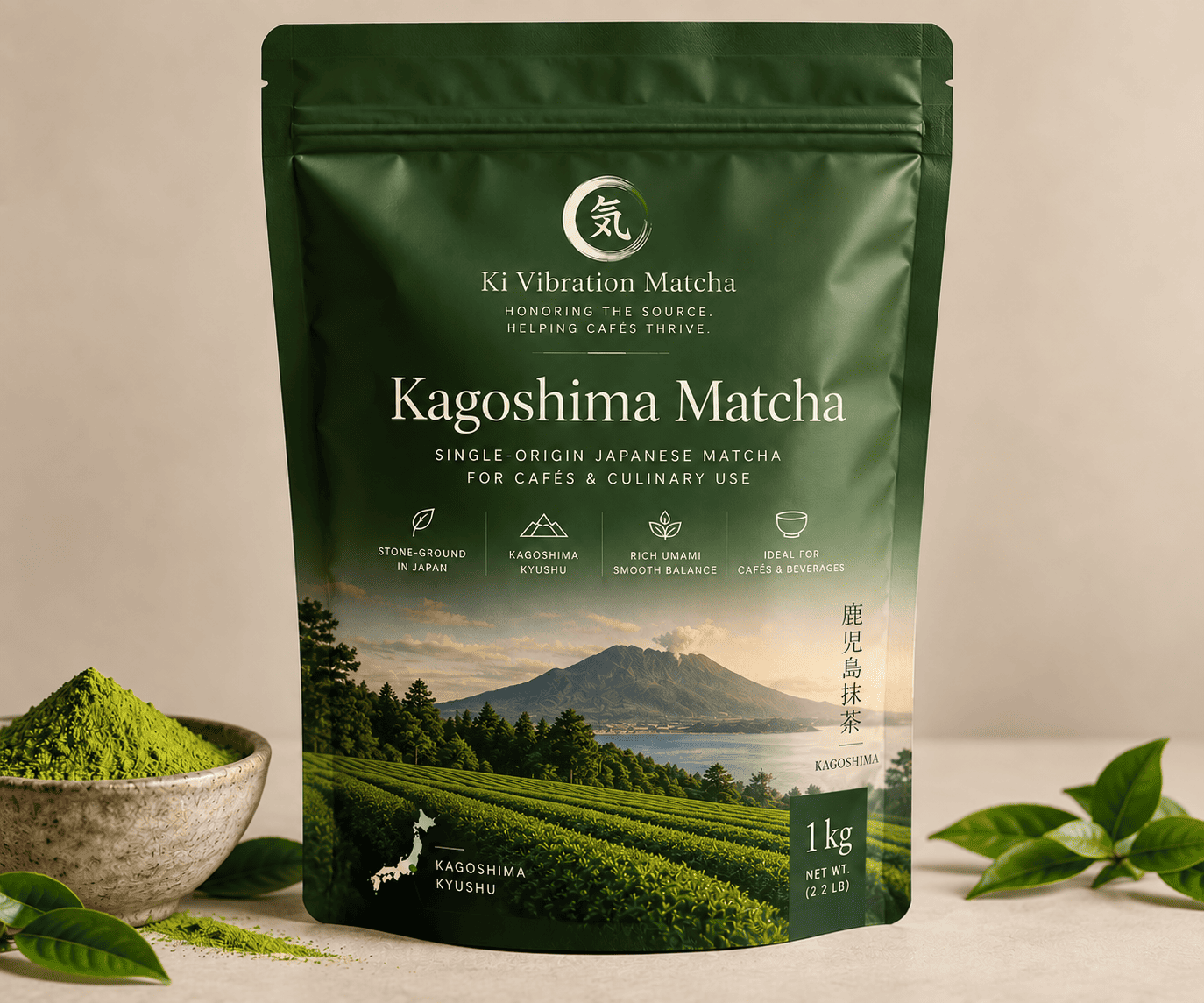
Made for the Latte — Single-Origin Shaded Spring Harvest From Southern Japan
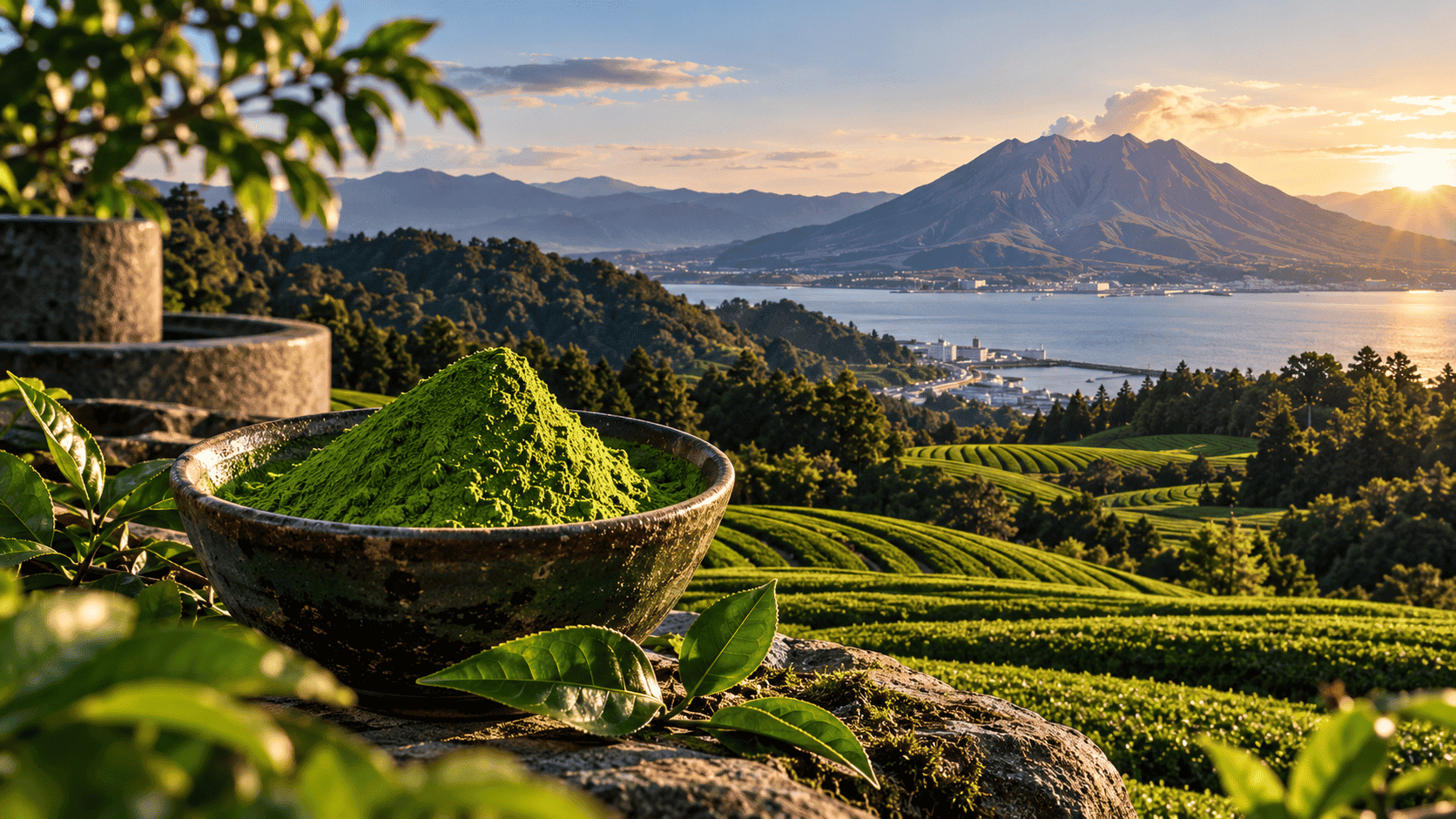
Cultivated in the mineral-rich volcanic ash soil beneath Mount Sakurajima, Kagoshima's matcha develops a powerful green character and rounded umami suited to premium lattes, smooth iced drinks and high-volume café service.
Lot Identifier: JP-UGM-2026-A1 · Cultivars: Yabukita • Okumidori • Saemidori
Request a Sample or Wholesale Quote ➔Designed for home baristas and premium retail shelves, Kagoshima Matcha brings a layered umami depth that performs beautifully in lattes, iced pours and traditional whisked preparations.
Available formats: Wholesale (1kg / 5kg) & Retail (30g / 60g / 90g tins).
Inquire for Retail Availability ➔Matcha: 2.5g–3g
Water: 35ml at 75°C–80°C
Milk: 180ml over ice
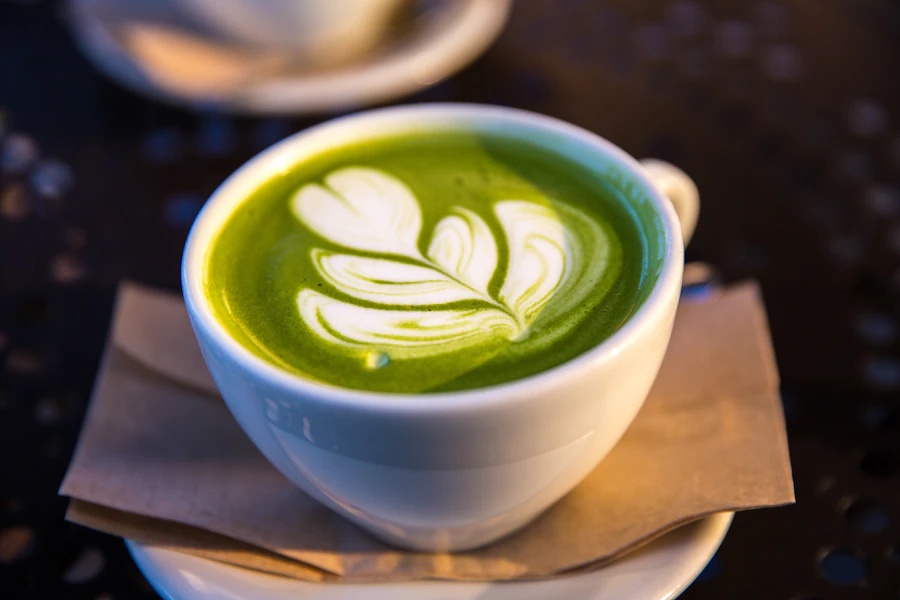
Method: Whisk until bright and frothy, then layer over chilled milk for a clean, vivid pour.
Matcha: 2g
Water: 70ml at 75°C–80°C
Method: Whisk in a rapid W-motion with a bamboo chasen until a velvety micro-foam covers the surface.
Refined, ceremonial, and shaped by the tea heartland of Kyoto
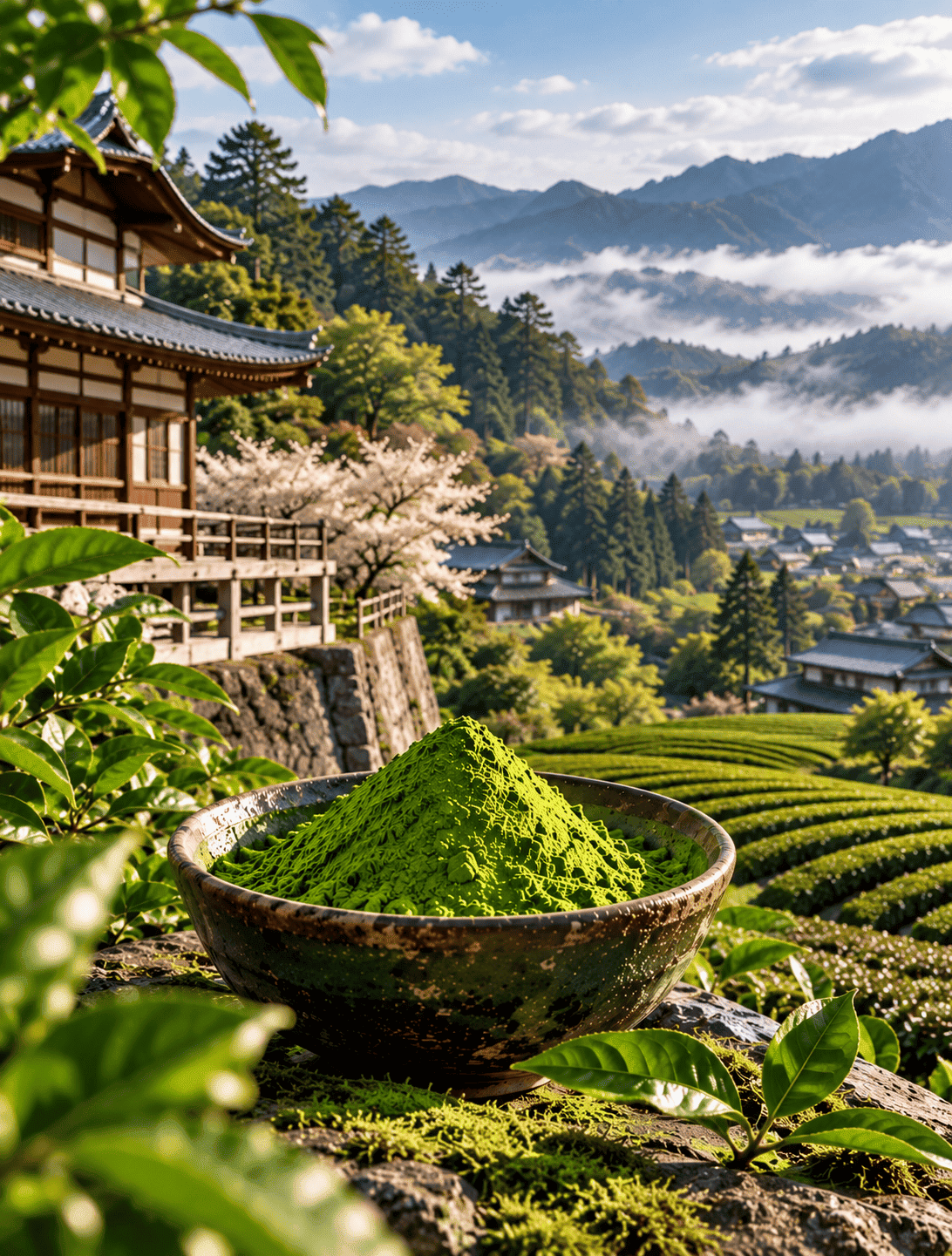
Uji is where tea culture and precision meet. This matcha is selected for a softer, more delicate expression with a refined aroma and lingering sweetness, making it ideal for ceremonial tea service and premium traditional preparation.
Ideal for premium tea menus, traditional service, and refined hospitality.
Request Uji pricing ➔
30g Tin
60g Tin
90g TinDesigned for home baristas who appreciate the quiet elegance of Uji tea, this expression brings aromatic clarity and a polished finish to traditional whisked tea, soft lattes, and mindful tea rituals.
Available in retail tins and café-ready formats.
Inquire for retail availability ➔Method: Sift 3-4g matcha, whisk with 70ml water at 75°C–80°C, and serve immediately for a light, aromatic finish.
Method: Whisk 3-4g Uji matcha with warm water, then blend into milk for a smoother, gentler cup than heavily café-driven matcha profiles.
A separate Uji tea-region matcha listing from Mie Prefecture.

This product comes from the Uji tea region and is listed separately to recognize its Mie Prefecture origin.
Ask us about formats and café supply.
Request Uji · Mie pricing ➔
30g Tin
60g Tin
90g TinA distinct origin listing for customers who want to explore Uji-region matcha from Mie Prefecture.
Contact us for retail format and availability details.
Ask about retail availability ➔Japanese matcha from the Nishio / Mikawa tea region of Aichi Prefecture.

Matcha from the Nishio / Mikawa tea region in Aichi Prefecture, presented as a distinct origin in the Japanese matcha collection.
Ask us about formats and café supply.
Request Nishio / Mikawa pricing ➔
30g Tin
60g Tin
90g TinA distinct regional matcha for traditional tea preparation and Japanese tea menus.
Contact us for retail format and availability details.
Ask about retail availability ➔Bright, balanced, and versatile across ritual and café use
Miyazaki brings a more contemporary profile to the collection: bright, clean, and naturally balanced. It sits comfortably between traditional tea preparation and premium café service, offering freshness without losing the depth of Japanese matcha.
A flexible option for cafés seeking both elegance and versatility.
Request Miyazaki pricing ➔Perfect for home rituals that want matcha to feel clean and contemporary, while preserving the structure and character expected from a genuine Japanese tea product.
For teams seeking moderate strength and smooth versatility.
Inquire for retail ➔Method: Whisk 2.5g matcha with warm water until smooth and pour over ice with chilled oat milk for a clean, modern finish.
Method: Use a gentle whisking motion with 2g matcha and 70ml water at 75°C to keep the cup airy and clear.
Earthy, structured, and deeply rooted in mountain terroir
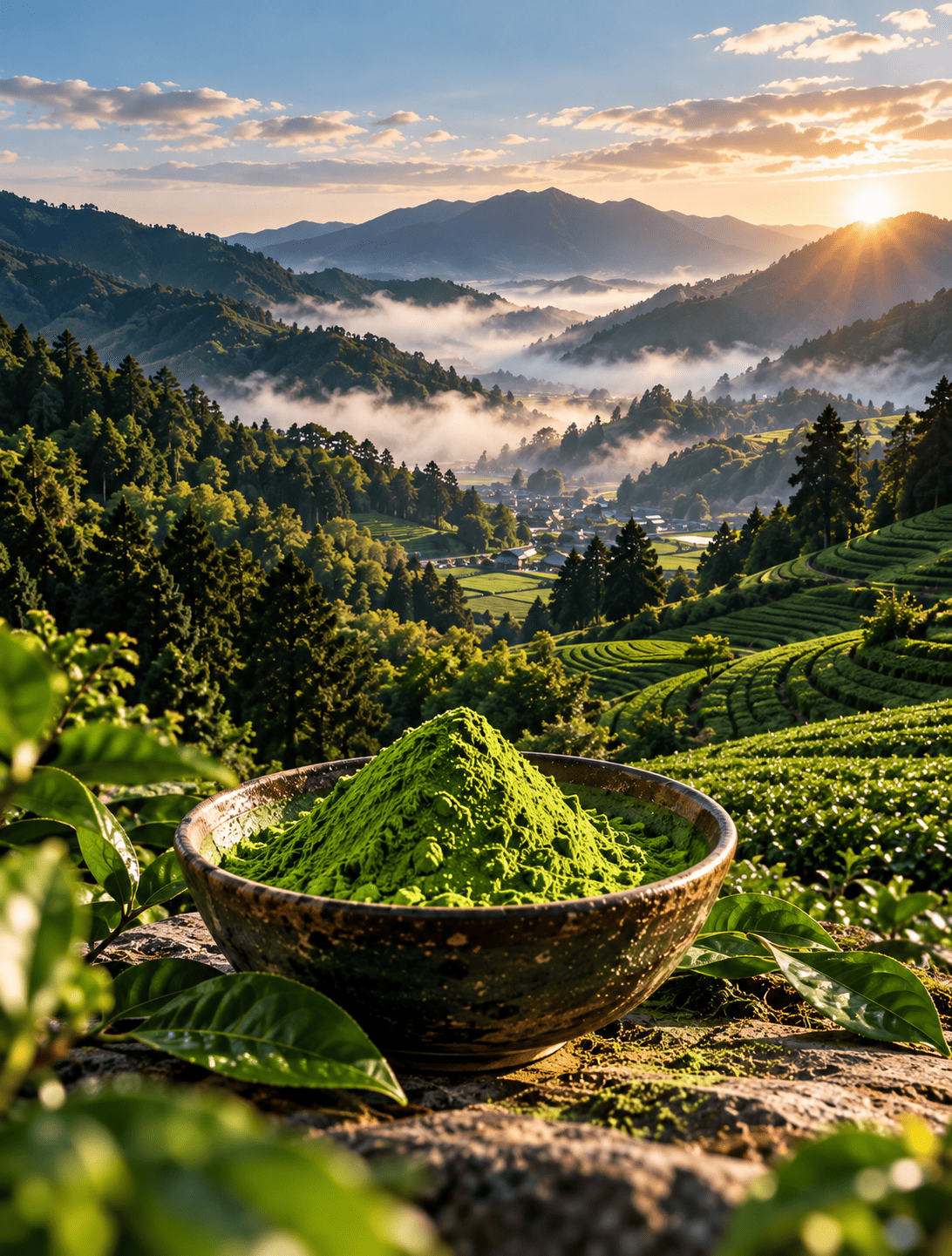
Yame is prized for its bold mountain character and layered structure. This matcha holds a deeper body and more grounding aroma, making it a compelling expression for slow tea rituals and premium café drinks that want a more grounded profile.
A grounded, history-rich option for menus wanting depth and texture.
Request Yame pricing ➔For home rituals and premium tea moments that want a little more body and profile, Yame brings a sense of place and a more robust texture without sacrificing Japanese elegance.
Beautiful for tea service and deeper everyday whisking.
Inquire for retail ➔Method: Use 2g matcha and 65ml water; whisk firmly to develop a richer body and more prominent texture.
Method: Pair with oat milk and a slightly lower whisk volume for a premium latte with more depth than a delicate matcha profile.
Whole-leaf Japanese green tea with brightness, herbaceous lift, and clean finish
Sencha gives cafés a whole-leaf tea story with a fresh, herbal lift and crisp finish. Unlike matcha, it’s steeped as a leaf, creating a different mouthfeel and a more lifted drinking profile that works beautifully in tea-first menus.
A strong option for cafés expanding beyond matcha.
Request Sencha pricing ➔Sencha is a classic tea expression that brings light, fresh sweetness and clear botanical character to everyday brewing and tea-led menu experiences.
Perfect for a broader Japanese tea assortment.
Inquire for retail ➔Method: Steep 2g leaves in 150ml water at 70°C–75°C for 60–90 seconds for a clean, vibrant cup.
Method: Brew stronger, chill quickly, and serve over ice for a bright, refreshing tea option.
Roasted, toasty, and gently smoky with caramel warmth
Hōjicha is defined by its roasting. The result is a smoother, warmer profile with toasted grain notes, caramel sweetness, and a gentle smoky finish. It brings a different expression to the menu and a comforting alternative to matcha.
A strong evening, cafe, and menu-building tea for a richer tea story.
Request Hōjicha pricing ➔Hōjicha has a different emotional tone than matcha: more grounding, warm, and satisfying. It works beautifully as a ritual drink and in cozy café drinks that need depth without bitterness.
A natural extension for matcha menus and seasonal drinks.
Inquire for retail ➔Method: Whisk 2g hojicha powder into warm water, then blend with milk for a mellow roasted drink.
Method: Steep the roasted leaves or powder at a lower water temperature for a smooth, toasty finish and low bitterness.
Premium Japanese shaded green tea · Loose leaf
A refined Japanese green tea from the Oku-Yame tea region of Fukuoka, Gyokuro is cultivated under shade before harvest, developing a rich umami character, deep aroma, and exceptionally smooth finish.
For premium loose-leaf service, traditional tea experiences, and tea-focused hospitality.
Ask about Gyokuro ➔100% Organically Grown Butterfly Pea Flower Powder (ดอกอัญชัน)
Designed for bar consistency and seamless dissolving, our wholesale butterfly pea powder brings naturally intense blue pigmentation to milk, syrups, and cold foams without artificial dyes or spirulina. Order-to-order milling ensures uniform texture and effortless blending across all café beverage applications.
Custom tier allocations & flexible recurring schedules tailored to your café volume.
Contact Us for Wholesale Pricing & Sample Kit ➔
30g Daily Ritual Tin
60g Studio Tin
All in One
30g Daily Ritual Tin
60g Studio Tin
90g Reserve Tin
All in one
Packaged in light-safe, airtight tins to preserve natural anthocyanins and delicate floral freshness. Perfect for crafting layered home lattes, calming caffeine-free evening drinks, and colorful culinary creations.
Retail launch coming soon. Inquire for early access and café retail pre-orders.
Inquire for Retail Pre-Orders ➔Method: Fill a glass with ice and 150ml milk. Slowly pour 30ml whisked Green Matcha, then gently float 30ml whisked Blue Matcha on top for an eye-catching contrast.